

About SHARPER Consortium
Strengthening Health Systems Capacity in Africa for Pandemic Equity and Responsiveness through collaborative research, ethical governance, and inclusive leadership across 6 partner nations.
About SHARPER Project
Strengthening Health Systems Capacity in Africa for Pandemic Equity and Responsiveness (SHARPER) Project is a multi-country research initiative focused on advancing social and behavioural sciences research across Africa to ensure African populations directly benefit from health research. The project supports ethical, inclusive, and culturally grounded health research frameworks that improve pandemic preparedness and responsiveness.
A key component of SHARPER is its investment in capacity strengthening and research leadership. The project provides a range of funding opportunities and grants for early-career researchers, with particular emphasis on supporting women researchers. These grants are designed to advance scholarship and evidence generation in research ethics, pandemic and epidemic preparedness, benefit sharing, and equitable health systems strengthening.
Through health research grants, training programmes, policy engagement, and strategic partnerships, SHARPER is contributing to the development of resilient, responsive, and ethically grounded health systems that can better address current and future public health challenges across Africa.
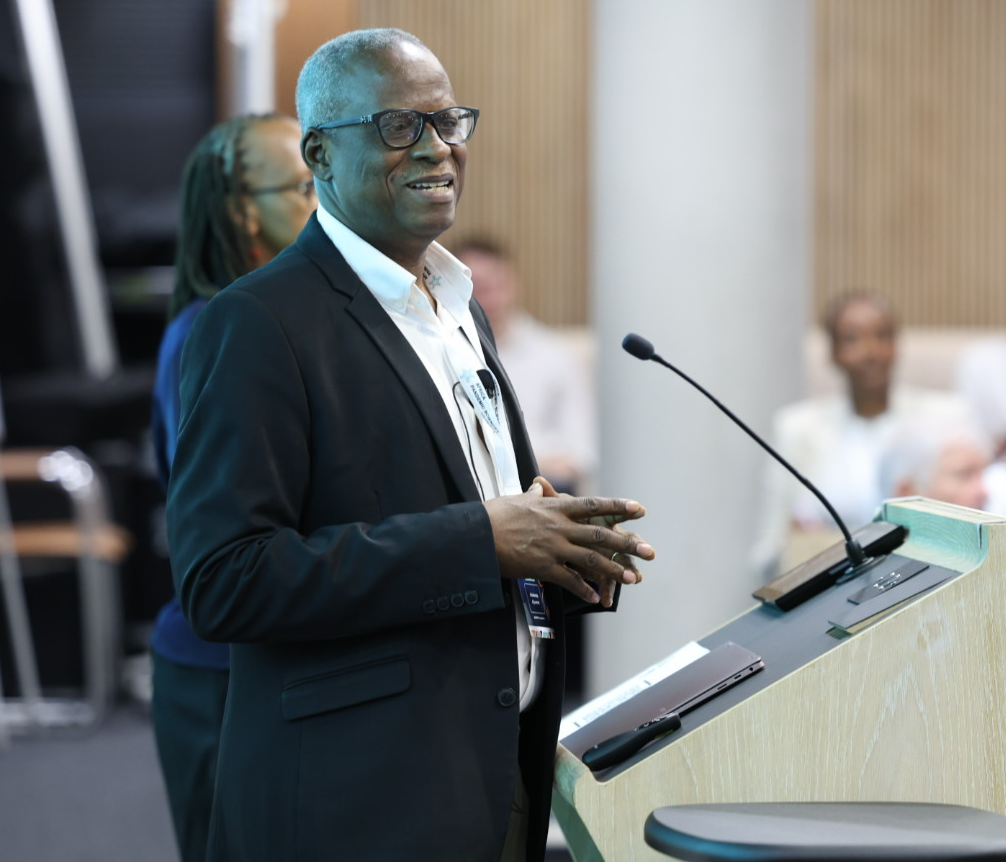

Prof Ademola Ajuwon
PROFESSOR OF HEALTH PROMOTION AND EDUCATION, UNIVERSITY OF IBADAN, NIGERIA.
Professor Ademola Ajuwon
Professor of Health Promotion and Education, University of Ibadan, Nigeria
Ademola Johnson Ajuwon earned a PhD from the University of Ibadan in 2000. He is a professor at the Department of Health Promotion and Education, Faculty of Public Health, College of Medicine, University of Ibadan, Nigeria, where he has been teaching, conducting research, supervising, and mentoring young faculty since 1991. His areas of research interest are adolescent reproductive health, HIV/AIDS prevention, social media, and research ethics.
Teaching & Mentorship
Professor Ajuwon is an inspiring teacher and impactful mentor who has successfully supervised 120 Master of Public Health and Master of Science dissertations and seven PhD theses. He has served as an external examiner in seven African institutions including the University of Kwa-Zulu Natal, University of Witwatersrand, University of the Western Cape, University of Malawi, Kamuzu University of Health Sciences, Babcock University, and Federal University of Technology Owerri.
International Network & Fellowships
- 1997 — Visiting Scholar, Center for AIDS Prevention Studies, University of California, San Francisco
- 2003 — Post-doctoral Research Fellow, Bioethics Training, Bloomberg School of Public Health, Johns Hopkins University, Baltimore, USA
- 2012 — DAAD Staff Exchange Fellow, University of Kwa-Zulu Natal, Durban, South Africa
- 2017 — CARTA Senior Staff Exchange Fellow, College of Medicine, University of Malawi
- 2019 — Visiting Professor, School of Public Health, University of Witwatersrand, Johannesburg, South Africa
Research Ethics Expertise
Professor Ajuwon is a globally recognized expert on research ethics. In 2007, he served as a member of the team of experts that developed the national code for health research in Nigeria. He is a facilitator of the National Health Research Ethics Committee responsible for training members of the ethics committees in Nigeria and successfully facilitated training for about 50 committees.
Research Grants & Funding
Professor Ajuwon is a recipient of many research grants from international agencies, including the World Health Organization, Fogarty International Center, Office of the Global AIDS Control, British Council, the United Nations Fund for Women, Wellcome Trust, and Population Media Center. He is a principal investigator and co-investigator in two TETFUND research grants focusing on stress management among police officers and interventions to prevent and control non-communicable diseases among staff in two Nigerian universities. He is also a co-principal investigator in a research project on the development of a chatbot as a health coach for adolescents living with HIV, funded by the Swiss National Science Foundation.
SHARPER Project Leadership
He is the Principal Investigator on the Strengthening Health Systems Capacity in Africa for Pandemic Equity and Responsiveness (SHARPER) project. SHARPER is a consortium of six African institutions whose goal is to develop the capacity of institutional and regulatory agencies to promote and emphasize the collective benefits of health technologies.
Work Packages (WPs)
Structured operational tracks guiding research, ethics analysis, policy advocacy, and capacity building.
Ethics, Legal, and Human Rights Analysis
Evaluating legal frameworks, human rights standards, and ethics governance to ensure equitable health research across partner nations.
Regional Contexts Evaluation
Assessing localized socio-cultural and health system contexts to tailor pandemic responsiveness for diverse African populations.
Exploring African Values in Research
Grounding biomedical and health research protocols in African philosophical traditions, community solidarity, and indigenous ethics.
Capacity Strengthening for Research Actors
Providing grants, mentorship, and training opportunities for early-career scholars, with dedicated focus on women researchers.
Advocacy for Policy Change
Translating empirical evidence into actionable policy briefings for national governments, public health agencies, and regional bodies.
Internal Network Strengthening
Fostering cross-institutional collaboration, data sharing, joint research synthesis, and sustainable network governance.
Collaborating Institutions
The SHARPER initiative unites 6 premier African universities, bioethics councils, and public health institutes. Select an institution below to view its Lead Investigator and research team members.
 NG
NG
College of Medicine, University of Ibadan
Lead Consortium Institution & Secretariat Host
The College of Medicine, University of Ibadan (COMUI) is Nigeria's flagship medical institution and serves as the lead coordinating center and secretariat host for the SHARPER Project.
Professor Ademola Ajuwon, MPH, PhD
 ZA
ZA
University of Cape Town
Partner Institution
The University of Cape Town (UCT) is South Africa's oldest university and a premier global center for public health ethics, occupational health, and health equity research.
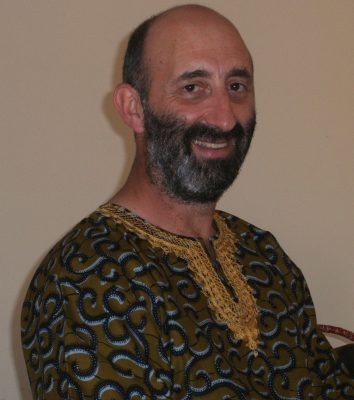
Professor Leslie London, MBBS, PhD
 KE
KE
Tropical Institute of Community Health
Partner Institution
The Tropical Institute of Community Health and Development (TICH) in Kisumu, Kenya is renowned for its action-oriented community health methodologies, public health leadership, and policy research across East Africa.
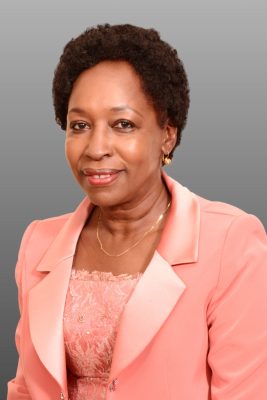
Professor Margaret Kaseje, MPH, PhD
 MW
MW
Kamuzu University of Health Sciences
Partner Institution
Kamuzu University of Health Sciences (KUHES) in Blantyre, Malawi is a premier center of excellence in health professions education, clinical science, epidemiology, and public health research in Southern Africa.
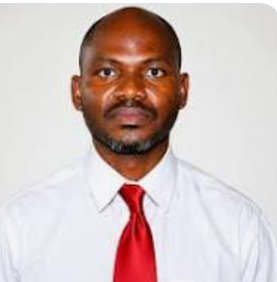
Professor Adamson Sinjani Muula, MBBS, MPH, PhD
 CM
CM
Cameroon Bioethics Initiative
Partner Institution
The Cameroon Bioethics Initiative (CAMBIN) is a pioneer bioethics and health research ethics organization dedicated to promoting research integrity, indigenous ethics, and equitable benefit sharing across Central Africa.
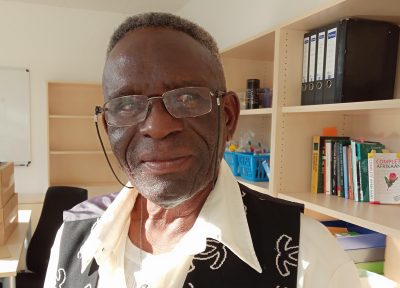
Professor Godfrey Tangwa, PhD
 UG
UG
Afya na Haki
Partner Institution
Afya na Haki (Ahaki) is an African research, litigation, and policy institute working to promote health, human rights, and equitable health governance across the African continent.

Mr. Christopher Baguma, MSc
Strengthening Health Systems Capacity in Africa
SHARPER is dedicated to building robust ethics framework that ensures African populations directly benefit from health research and pandemic preparedness programs.
Our Mission
To co-create and implement ethical research frameworks and standards built on indigenous African values, empowering local scientists, institutions, and policy advocates.
Our Vision
A continent where health research, academic exploration, and emergency responsiveness are equitable, locally-grounded, and universally beneficial to all African communities.
Core Programme Objectives
Establish comprehensive ethical guidelines, expand local institutional capacities, and provide fully-funded grants to next-generation African researchers leading pandemic equity innovations.
Pan-African Collaboration Network
Connecting key research centers across East, West, North, and Southern Africa for streamlined ethics framing.
Engaging stakeholders from institutional leadership to local practitioners
Institutional Security & Trust Guidelines
SSL Encrypted Connection
All uploads and application text are safeguarded by bank-grade encrypted SSL parameters.
Secure File Storage
Your academic proposal docs are secured inside ISO-certified cloud data centers.
Data Protection Compliance
Full compliance with data privacy regulations across African member states.
Role-Based Access Control
Only assigned reviewers can securely view and assess specific portfolios.
Redundant Backup Systems
Continuous data mirror backups ensure no files or inputs are lost.
Anti-Spam & DDoS Defense
Automated protection layers shielding servers against potential vulnerability exploits.
Ready to Apply for SHARPER Grant Opportunities 2026?
Join a prestigious network of African researchers dedicated to strengthening pandemic responsiveness, clinical equity, and robust national healthcare guidelines.
Need assistance? Reach our help desk at grants@sharperproject.com